


Beth Darnall, PhD
Stanford University School of Medicine
Keynote Lecture: “Scaling Brief Behavioral Treatment for Acute, Chronic, and Post-Surgical Pain: Evidence and Implementation”
As a clinical pain psychologist and scientist, Dr. Darnall has dedicated her career to developing and investigating brief, scalable, and effective interventions for acute and chronic pain relief, and to safely reduce prescription opioids and related iatrogenics. Dr. Darnall is Professor in the Department of Anesthesiology, Perioperative and Pain Medicine at Stanford University School of Medicine where she directs the Stanford Pain Relief Innovations Lab. As a NIDA-funded pain and opioid research mentor, Dr. Darnall enjoys mentoring junior investigators to further their scientific goals and careers. As a behavioral pain treatment clinical trials specialist and principal investigator, she leads multiple active NIH and PCORI-funded multi-site and national comparative efficacy and pragmatic comparative effectiveness randomized pain treatment trials involving a combined 3,200 Americans.
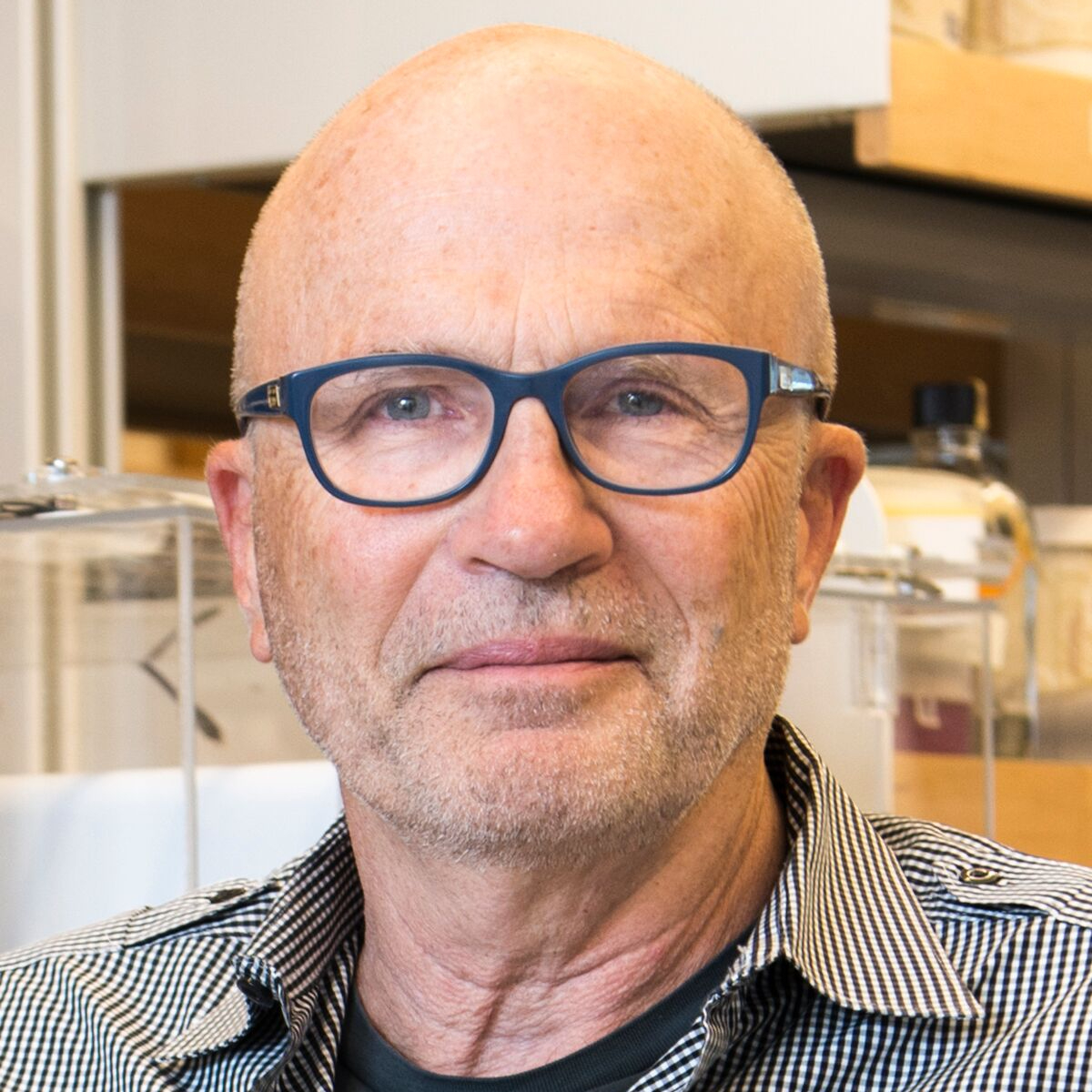
Clifford J. Woolf, MB, BCh, PhD
Harvard Medical School
Keynote Lecture: "Spontaneous Neuropathic Pain"
Dr. Clifford J. Woolf was born in South Africa, where he earned his MB, BCh, and PhD degrees. He moved to London in 1979 and became a Professor of Neurobiology at University College London in 1991. In 1997 he was recruited by the Massachusetts General Hospital and Harvard Medical School to serve as the Richard J. Kitz Professor of Anesthesiology Research and director of the Neural Plasticity Research Group. In 2010 he was named director of the F. M. Kirby Neurobiology Center at Boston Children’s Hospital and became a Professor of Neurology and Neurobiology at HMS as well as the Blackfan-Diamond Chair of Neuroscience at Boston Children’s Hospital. He is faculty both in the department of Neurobiology at Harvard Medical School and in the Harvard Stem Cell Institute. He received a Kerr award from the American Pain Society in 2015, a Gill Distinguished Scientist award and the Reeve-Irvine medal in 2017, and in 2020 Dr. Woolf was elected a fellow of the American Academy of Arts and Sciences and was awarded a Doctoris Honoris Causa from the University of Lausanne, Switzerland. In 2025, he received the Gold-Haythornwaite Lifetime Achievement award from the United States Association for the Study of Pain and was elected to the National Academy of Medicine. He has published over 340 research papers on molecular, cellular, and systems neurobiology and has 37 issued patents. He has an h-index of 175 and 140,000 citations. His research is devoted to investigating how the functional, chemical, and structural plasticity of neurons is involved in both the normal adaptive functions of the nervous system and in maladaptive changes that contribute to neurological diseases, with a particular focus on pain, regeneration, and neurodegeneration, and on the exploitation of stem cell derived neurons to model disease and for drug screening. Dr. Woolf has founded several companies.

Trent D. Emerick, MD, MBA, FASA
CIPC, Department of Anesthesiology and Perioperative Medicine, University of Pittsburgh
Presentation Title: “Emerging Neuromodulation Technologies for Pain ‘from the 412’”
As Associate Chief, Medical Director, and Director of Quality Improvement and Innovation in UPMC Pain Management and Program Director of the UPMC Pain Medicine Fellowship, Dr. Emerick's scholarly pursuits span a number of areas. He is board-certified in anesthesiology, pain medicine, and addiction medicine. He has a strong interest in quality improvement projects, including clinic and operating room efficiency analyses, inpatient chronic pain service consult analyses, and development of new protocols within UPMC Pain Medicine. His other interests include cancer pain, craniofacial pain, and abdominal/pelvic pain. Dr. Emerick’s ongoing projects include work with faculty, residents, fellows, and medical students on medical device design and product development, entrepreneurship and innovation in anesthesiology and pain medicine, lean six sigma methodologies, medical education, novel uses of nerve stimulation, sports medicine, and addiction medicine.

Jami L. Saloman, PhD
PCPR, Departments of Neurobiology and Medicine, University of Pittsburgh
Presentation Title: “Unraveling Pancreatitis Pain: Novel Mechanisms and Models”
Dr. Saloman is a Tenured Associate Professor in the Division of Gastroenterology, Hepatology, and Nutrition in the Department of Medicine, as well as in the Department of Neurobiology at the University of Pittsburgh. She leads interdisciplinary basic and translational research programs focused on pain, pancreatitis, neuro-immune crosstalk, and cancer neuroscience. In collaboration with multiple national consortia, she utilizes patient data and biospecimens to identify potential novel mechanisms for further investigation in preclinical models, as well as to develop tools that may predict therapeutic responses. Dr. Saloman serves on the Executive Committee of the Pittsburgh Center for Pain Research (PCPR) and Co-Director of the PCPR T32 Training Program. She also serves as Co-Chair of the abdominal and pelvic pain special interest group for the US Association for the Study of Pain.
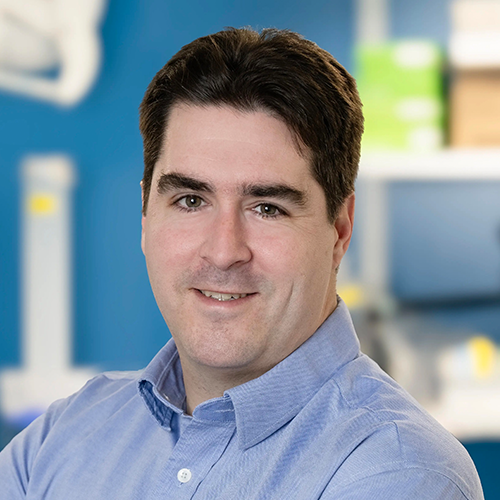
Andreas Pfenning, PhD
Carnegie Mellon University
Presentation Title: “Selective Inhibition of Chronic Pain by Integrating AI and Genomic Screening”
Dr. Pfenning is a Tenured Associate Professor in the Computational Biology Department in the School of Computer Science at Carnegie Mellon University (CMU) and a member of the CMU Neuroscience Institute. Prior to joining Carnegie Mellon, he completed his postdoctoral training in a joint position between MIT Computer Science and Harvard Medical School. Dr. Pfenning’s research has won several additional accolades, including a Sloan Foundation research fellowship, an NSF Career Award, and an American Federation for Aging Research grant. He also received an Avenir award, a grant from the National Institute of Drug Abuse to fund forward-thinking research by new investigators in substance use disorders. His research on the evolution of speech received an HPCWire award for the Best Use of AI Methods for Augmenting High Performance Computing Applications. Dr. Pfenning is currently Chair of the comparative genomics working group of the Vertebrate Genomes Project, an international consortium of over a thousand researchers seeking to sequence and analyze high quality genomes of all extant vertebrate species.

Sam Noh, PhD
PCPR, Department of Neurobiology, University of Pittsburgh
Presentation Title: “A Convergent Spinal Node for Mechanical Allodynia: From Circuit Identification to Enhancer Based Targeting”
Dr. Myung-chul (Sam) Noh is a postdoctoral researcher in the Seal Lab, Department of Neurobiology, University of Pittsburgh, and a member of the Pittsburgh Center for Pain Research. His research uses transcriptomic, chemogenetic, and genomic enhancer tools to identify and target functionally distinct spinal dorsal horn neuron subtypes underlying chronic pain and itch.

Keith M. Vogt, MD, PhD, FASA
CIPC, Department of Anesthesiology and Perioperative Medicine, University of Pittsburgh
Presentation Title: “Neuroimaging of Pain Modulation by Anesthetic and Analgesic Agents”
Dr. Vogt is an Associate Professor of Anesthesiology & Perioperative Medicine at the University of Pittsburgh, a practicing anesthesiologist, and a neuroscience researcher. He has had a long-standing interest in characterizing the brain's response to pain using functional MRI. An important line of his current research focuses on how pain perception and other cognitive functions are influenced by anesthetic and analgesic agents. Taking an interdisciplinary approach, Dr. Vogt has secondary appointments in Bioengineering, the Clinical and Translational Science Institute, and the Center for Artificial Intelligence Innovation in Medical Imaging. He is passionate about fostering a vibrant research community, as well as co-organizing the Research Rounds lecture series and leading the PANTHER Track to train anesthesiologist scientists in the Department of Anesthesiology and Perioperative Medicine.

Ms. Simran Kulkarni
2025 Poster Winner – Clinical, Predoctoral; Mentor: Dr. Kevin Bell, LB3P, BME
Presentation Title: “Evaluating Posture Estimation of Accelerometry Data Through Signal Analysis and Custom Classification”
Simran Kulkarni is a junior studying bioengineering on the cellular track, with a minor in chemistry. Her academic and research interests focus on biomechanics and medical product design, where she is particularly interested in developing innovative solutions to improve patient care. She has participated in the Swanson School of Engineering Summer Undergraduate Research Internship for the past two summers and will continue her research this upcoming summer. Outside of research, Simran is involved in Pitt’s Science Olympiad Club, Friends of MSF at Pitt, and Pitt BONDS. Following graduation, she plans to pursue medical school to further integrate her engineering background with clinical practice and research.

Ms. Kristina Boyd
2025 Poster Winner – Clinical, Postdoctoral; Mentor: Dr. Jacques Chelly, Pitt Anesthesiology and Perioperative Medicine
Presentation Title: “Benefits Associated with Opioid-Free Multimodal Surgery"
Kristina is a Data Scientist in the Department of Anesthesiology and Perioperative Medicine at the University of Pittsburgh and a PhD candidate in the Department of Epidemiology, where she applies advanced analytic methods to support clinical and perioperative research. Prior to joining the University of Pittsburgh, she held research and public health analytics roles at the Centers for Disease Control and Prevention and the Allegheny County Health Department, contributing to population health surveillance and outcomes-focused research.

Karly A. Edwards, PhD
Department of Medicine, University of Pittsburgh
Presentation Title: “Innovative Behavioral Treatments for Chronic Pain and Opioid Use Disorder”
Dr. Edwards is a licensed clinical psychologist and Assistant Professor of Medicine at the University of Pittsburgh. Her research program focuses on the development, testing, and implementation of behavioral interventions for chronic pain and substance use. She was recently awarded a NIDA K23 Career Development Award to develop and test a web-based behavioral pain intervention for people with chronic pain and opioid use disorder. Her work also explores barriers to receiving adequate pain treatment, particularly the impacts of stigma, on patient health outcomes. Clinically, Dr. Edwards delivers evidenced-based behavioral pain treatments across a wide range of chronic pain conditions and specializes in acceptance and mindfulness-based interventions. Dr. Edwards completed her doctoral degree at the University of New Mexico, a clinical internship at the Seattle VA, and a NIDA T32 postdoctoral fellowship at Stanford University. Dr. Edwards then transitioned to the University of Pittsburgh, where she was a NIDA K12 scholar before securing her K23 career development award.

John A. Pollock, PhD
Duquesne University
Presentation Title: “Neuroimmune Modulation with COX-2 Inhibiting Nanoemulsions: Sex Differences in the Molecular Cell Biology of Pain and Pain-Relief”
Dr. Pollock is a Professor of Biological Sciences, the Minucci Endowed Chair in Engineering & Computational Sciences, and Co-Director of the Chronic Pain Research Consortium at Duquesne University. He teaches neuroscience and his basic science research explores the nervous system with a focus on the sex difference in pain and pain-relief. Also Director of the Partnership in Education, he and his team produce digital and analog STEM multimedia for museums, schools, and at home including YouTube videos, Emmy Award winning broadcast television, and award-winning iOS/Android Apps and games. He is an elected Fellow of the American Association for the Advancement of Science (AAAS) and has been named an Apple Distinguished Educator by the Apple Corporation.
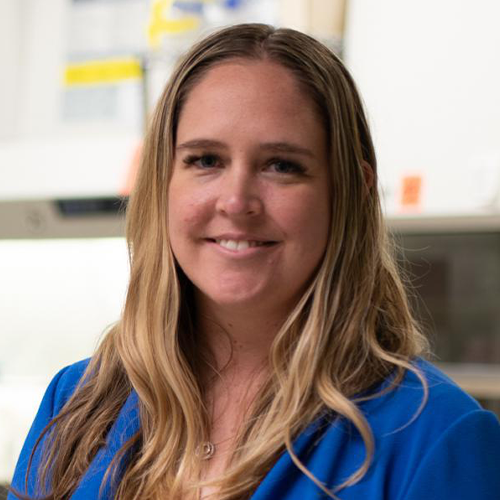
Allison Bean MD, PhD
LB3P, Department of Physical Medicine and Rehabilitation, University of Pittsburgh
Presentation Title: “A Multimodal Ultrasound-Based Biomarker for Myofascial Pain”
Dr. Bean is an Assistant Professor in the Department of Physical Medicine and Rehabilitation (PM&R) and a core faculty member in the Orland Bethel Family Musculoskeletal Research Center at the University of Pittsburgh, with secondary appointments in Bioengineering and Orthopaedic Surgery. She is board certified in PM&R and primary care sports medicine, with a clinical focus on the use of diagnostic and interventional ultrasound for chronic musculoskeletal injuries. Her research focuses on developing precision treatments for treating chronic musculoskeletal injuries, and integrating interventional, biologic, and rehabilitation strategies to optimize recovery.

Min Gon Kim, PhD
2025 Poster Winner – Preclinical, Postdoctoral; Mentor: Dr. Bin He
Presentation Title: “Low-Intensity Transcranial Focused Ultrasound for Chronic Pain: Linking EEG Activity, Cellular Responses, and Behavior”
Min Gon Kim is a postdoctoral associate at Carnegie Mellon University, developing transcranial-focused ultrasound neuromodulation for pain management and a portable focused ultrasound neuromodulation system under the guidance of Dr. Bin He. He received his PhD in Biomedical Engineering from University of Southern California, where he developed a new single-cell analysis approach using high frequency ultrasound under the supervision of Dr. K. Kirk Shung. From 2017 to 2019, he was a postdoctoral research scientist under the supervision of Dr. Elisa E. Konofagou at Columbia University, developing image-guided focused ultrasound modulation of motor and sensory neurons in the peripheral nervous system of mice in vivo.
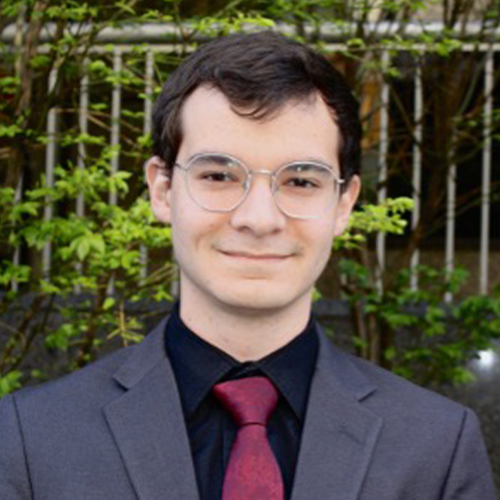
Mr. André Martel Matos
2025 Poster Winner – Preclinical, Predoctoral; Mentor: Dr. Nicole Scheff
Presentation Title: “Cancer-Induced Nerve Injury Unveils a Sympathetic-to-Sensory Nerve Axis in Head and Neck Cancer”
André Martel Matos is a fourth-year PhD candidate in the Center for Neuroscience at the University of Pittsburgh. He works in Dr. Nicole Scheff's lab, where his research focuses on the influence of the nervous system on head and neck cancer, cancer-associated pain, and peripheral nervous system plasticity in response to the tumor microenvironment.